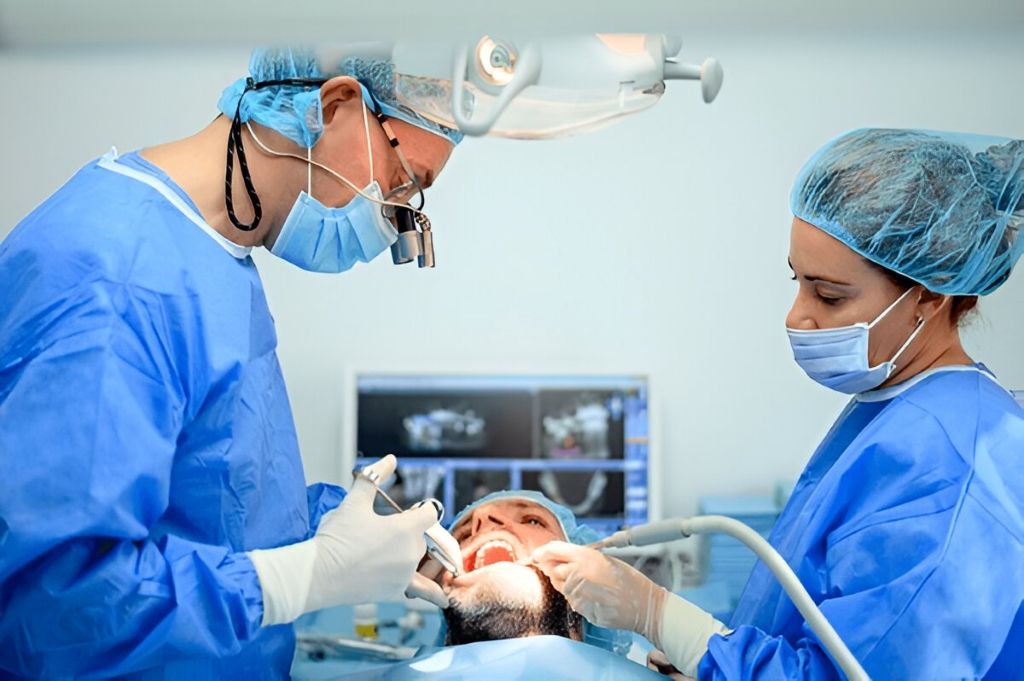
Ignoring a dull ache in your mouth can turn a simple problem into a severe crisis very quickly. Many people wait until they are in extreme agony before they seek professional help for their teeth.
However, catching serious mouth issues early allows you to fix the damage comfortably before it requires a midnight hospital visit. Specialized treatment can stop dangerous bacterial infections from spreading to your jawbone or bloodstream.
Let us look at the key warnings your body sends when your mouth needs fast, protective surgical care.
Early Warning Signs of an Infection That Needs Surgical Intervention
- Throbbing Root Pain: A deep, constant pounding sensation that keeps you awake at night usually points to a dying tooth nerve.
- Loose Adult Teeth: Permanent teeth should never wiggle, so any loose feeling means the underlying bone or gums are very weak.
- A Bad Saliva Taste: Smelling a foul odor or tasting a bitter fluid in your mouth indicates that pus is actively draining from a deep sore.
- Catching the Issue: Spotting these early warning signs of dental infection requiring surgical intervention keeps a small pocket of bacteria from becoming a major health risk.
Why You Should Never Ignore Jaw Swelling or Shifting
- Visible Facial Puffiness: Swelling along your jawline or cheek indicates a dangerous infection spreading into your soft facial tissues.
- Difficulty Swallowing Food: When a mouth infection spreads downward, it can stiffen your neck muscles and make breathing feel tight.
- Unexplained High Fevers: A rising body temperature is a clear signal that your immune system is losing the battle against mouth germs.
- Getting Fast Treatment: Booking a timely dental surgery in Broomfield helps remove the source of the infection before it spreads to the rest of your body.
Comparing Early Surgical Care vs Emergency Room Visits
| Mouth Issue Status | Choosing Early Protective Surgery | Waiting for a Late Emergency |
| Total Out-of-Pocket Cost | Much lower and often covered well by basic insurance | Extremely high hospital bills and extra emergency room fees |
| Treatment Comfort Level | Done gently with planned local numbing in a calm room | Requires fast, stressful care during a painful crisis |
| Chances of Saving the Tooth | Very high because the bone is still healthy and strong | Very low, usually resulting in the tooth being pulled completely |
| Time Spent Recovering | A few days of quiet rest at home with simple steps | Weeks of healing that may require heavy hospital medicines |
How Impacted Wisdom Teeth Cause Hidden Damage Beneath Your Gums
- Hidden Bone Pressure: Crowded back teeth can push hard against your healthy molars, causing the roots to crack or decay silently.
- Painful Gum Flaps: Partially erupted teeth create small pockets where food can get trapped and rot because a brush cannot reach them.
- Developing Deep Cysts: Fluid-filled sacs can form around trapped roots, slowly destroying the surrounding healthy jaw tissue.
- Tracking Trapped Teeth: Consulting with a trusted dentist in Broomfield helps you track these hidden teeth using clear digital X-rays.
What Happens When a Broken Tooth Is Left Untreated
An open crack in your enamel acts like a wide highway for harmful mouth bacteria to enter your deep tissues.
Once germs reach the soft pulp, they travel straight down into your jawbone, forming a painful abscess. This serious damage cannot be fixed with a simple surface filling or a fast cleaning session.
Getting advanced dental surgery near you ensures that broken fragments are removed and the bone is safely sealed from future bacterial attacks.
What to Expect During a Planned Oral Surgery Visit
- Detailed Digital Mapping: The team takes crisp 3D scans of your mouth to see exactly where the nerve roots and bones sit.
- Advanced Comfort Options: You receive gentle numbing choices so you do not feel any pain or pressure during the process.
- Cleaning the Socket: The provider removes all damaged tissue and washes the area with a germ-killing solution.
- Placing Fine Stitches: Small, dissolving threads are used to close the gum tissue tightly so it can heal without bleeding.
Ways to Help Your Mouth Heal Fast After Surgery
- Bite on Clean Gauze: Keep steady pressure on the cloth pad for thirty minutes to help the bleeding stop completely.
- Apply Cold Ice Packs: Hold a soft ice wrap against your outer cheek to keep down any normal post-visit puffiness.
- Eat Soft, Cool Foods: Stick to smooth items like applesauce, yogurt, and warm broths for the first twenty-four hours.
- Skip the Plastic Straws: The suction from a straw can pull the healing scab away, leading to a very painful dry socket.
How to Prepare at Home for a Smooth Recovery After Emergency Dental Care
- Arrange a Safe Ride: Have a family member or friend drive you home if you choose stronger or more relaxing options for your visit.
- Stock Your Kitchen: Buy soft foods and clean liquids before your appointment so you do not have to run errands later.
- Set Up a Rest Spot: Pile extra pillows on your bed to keep your head raised, which reduces throbbing and swelling.
- Finding Nearby Care: Choosing a modern dental office near you makes it incredibly easy to get help if you have questions during your recovery.
Why Receiving a Timely Treatment Can Prevent Future Bone Loss
Treating deep decay before it destroys surrounding tissue helps keep your jaw thick and fully functional. Leaving a severe tooth infection alone allows the bacteria to eat away at the bone sockets that hold your smile straight.
Investing in professional dental surgery in Broomfield stops this destructive process right away, keeping your mouth healthy enough for future replacement options.
Protecting your bone structure early is the absolute best way to maintain your natural smile alignment for many years to come.
Restore Your Comfort and Total Health with Quick Care
Choosing to address a dental problem before it becomes a painful emergency is the absolute best way to protect your long-term health.
At Clear Dental Studio, our skilled team is always ready to provide gentle, highly effective solutions to protect your teeth from deep decay.
We are completely focused on offering a calm, supportive environment where your health goals are met with the highest standard of quality care.
You deserve a pain-free life and a healthy mouth that lets you eat, speak, and smile without any hidden worries. Call us right now to book your visit, reach out today, and let us help you get started!
FAQs
1. Can a serious tooth infection heal with salt water rinses?
No, a salt water rinse cannot heal a deep tooth infection, although it may help reduce discomfort for a short time, but you would still need professional dental treatment to remove the infection.
2. How can I tell if jaw pain is serious?
A muscle ache will feel mild and sore, whereas a serious dental problem would cause a sharp pain, swelling, fever, or pain in a specific tooth. A dentist should check for ongoing pain.
3. Can I delay an extraction if the tooth stops hurting?
No, a tooth that suddenly stops hurting may still be infected. The infection can continue to spread even without pain, so treatment should not be delayed.
4. How long is the recovery after a molar extraction?
Most people return to work within 1–2 days after a tooth extraction. Jobs that involve heavy activity or a lot of talking may require extra rest time.